MetLife Stadium: Where the FIFA World Cup 2026 Final Will Be Written Into History
MetLife Stadium hosts the 2026 World Cup Final. Inside guide to seats, transit, NYC matchday culture, history and fan tips for FIFA 2026 in New Jersey.
Full Match Schedule
8 matches at MetLife Stadium
| Match | Stage | Group | Result / Kickoff | Host City |
|---|---|---|---|---|
| Group Stage | C |
1 – 1
Full Time
|
New York / NJ United States | |
| Group Stage | I |
3 – 1
Full Time
|
New York / NJ United States | |
| Group Stage | I |
3 – 2
Full Time
|
New York / NJ United States | |
| Group Stage | E |
2 – 1
Full Time
|
New York / NJ United States | |
| Group Stage | L |
0 – 2
Full Time
|
New York / NJ United States | |
|
France
vs
Sweden
|
Round of 32 | — |
3 – 0
Full Time
|
New York / NJ United States |
|
Brazil
vs
Norway
|
Round of 16 | — |
1 – 2
Full Time
|
New York / NJ United States |
|
Spain
vs
Argentina
|
Final | — |
1 – 0
Full Time
|
New York / NJ United States |
There’s a particular kind of silence that settles over a stadium in the final hour before a World Cup final.
Eighty-thousand people, and you can almost hear the breathing. The flags stop snapping. The chants thin out. The whole building holds itself still, waiting.
On July 19, 2026, that silence will belong to MetLife Stadium.
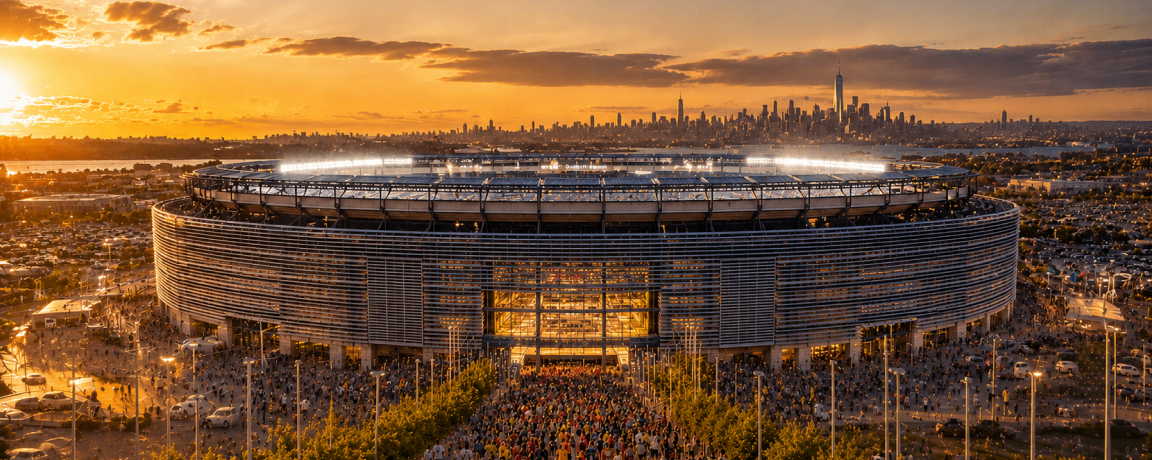
A few miles west of the Manhattan skyline, on a flat expanse of New Jersey marshland that once hosted nothing more glamorous than freight rail and reed grass, the largest single sporting event on earth will arrive at its conclusion. Two nations. One trophy. One stadium. And a tournament unlike any the sport has ever attempted — 48 teams, three host countries, the most attended World Cup ever — will hand its golden punctuation mark to a building best known, until now, for NFL Sundays and stadium concerts.
A few miles west of the Manhattan skyline, the largest single sporting event on earth will arrive at its conclusion.
Everything at a glance
- Stadium
- MetLife Stadium
- City / Region
- East Rutherford, New Jersey New York / New Jersey metro area
- Country
- United States
- Capacity
- ~82,500 One of the largest stadiums hosting FIFA 2026
- Opened
- 2010
- Primary tenants
- New York Giants + New York Jets NFL
- FIFA 2026
- 8 matches Group-stage + knockouts + Quarterfinal + World Cup Final
- Location
- Meadowlands Sports Complex Roughly 8 km (5 miles) west of midtown Manhattan
- Surface
- Natural grass Installed specifically for the tournament
- Roof
- Open-air No retractable cover
- Climate
- Humid northeastern summer Afternoon thunderstorms possible in June and July
- Transit
- NJ Transit Meadowlands Rail Line Connects directly via Secaucus Junction; multiple bus lines and rideshare lots
The World Cup Final is scheduled for July 19, 2026. Plan transit and accommodation well in advance.
The soil underneath remembers — Seven World Cup matches were played on this site in 1994, including a semifinal.
Before MetLife Stadium, this same patch of New Jersey hosted a building called Giants Stadium — a concrete oval where, in the summer of 1994, the United States staged seven matches of its first-ever men’s World Cup. Italy played there. Bulgaria’s golden generation took their semifinal run there. Pele, Bobby Charlton and most of the global football establishment passed through. The old building came down in 2010, but the soil underneath remembers.
MetLife Stadium rose from that same complex with a fundamentally different idea. Two NFL franchises had decided to share a home — a rare cooperative move — and the new building had to feel equally theirs. The result is something architecturally restrained from the outside and theatrically flexible from within. The exterior is a quilt of aluminum panels and integrated LED lighting that can shift color depending on which team is playing. The interior is a sweeping, three-tiered bowl with sightlines designed for a 100-yard rectangle but built large enough to swallow a football pitch with room to spare.
Since opening, it has become one of the busiest large-format venues in North America. Super Bowl XLVIII in February 2014 turned it into the first open-air, cold-weather venue to host the NFL’s championship game. It has held WrestleMania, stadium tours by some of the biggest names in pop and rock, and a steady drumbeat of international soccer friendlies. In 2024, the Copa America final landed on this same field, giving the stadium a recent dress rehearsal for everything that comes in 2026.
What it has never hosted, until now, is the closing match of a men’s World Cup. That changes this summer.
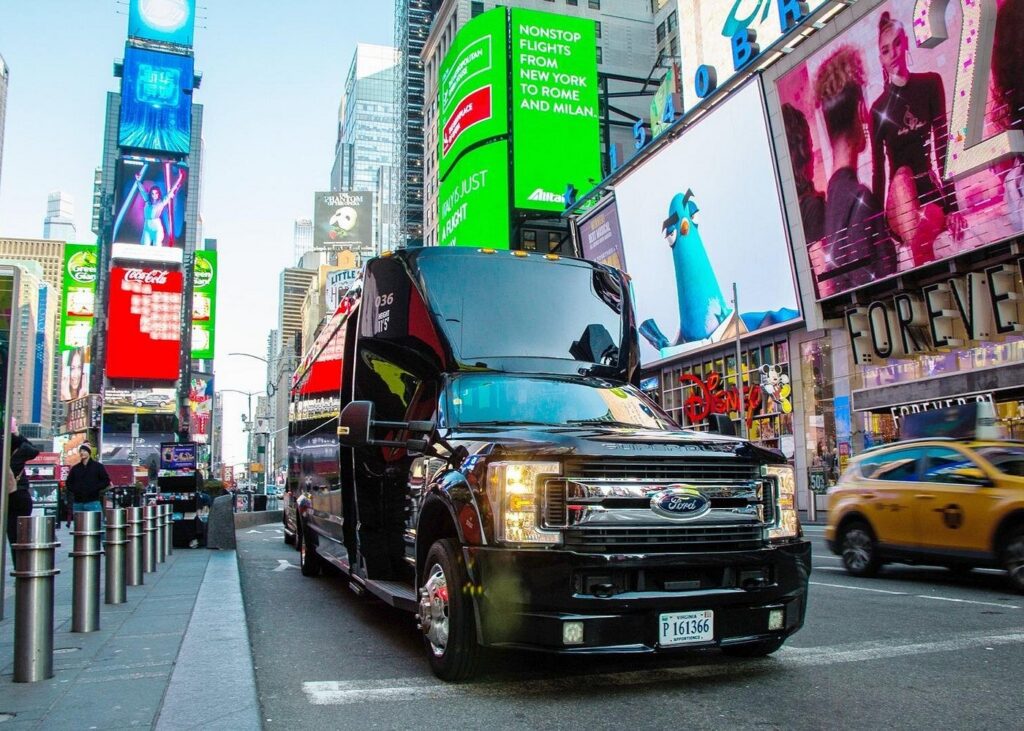
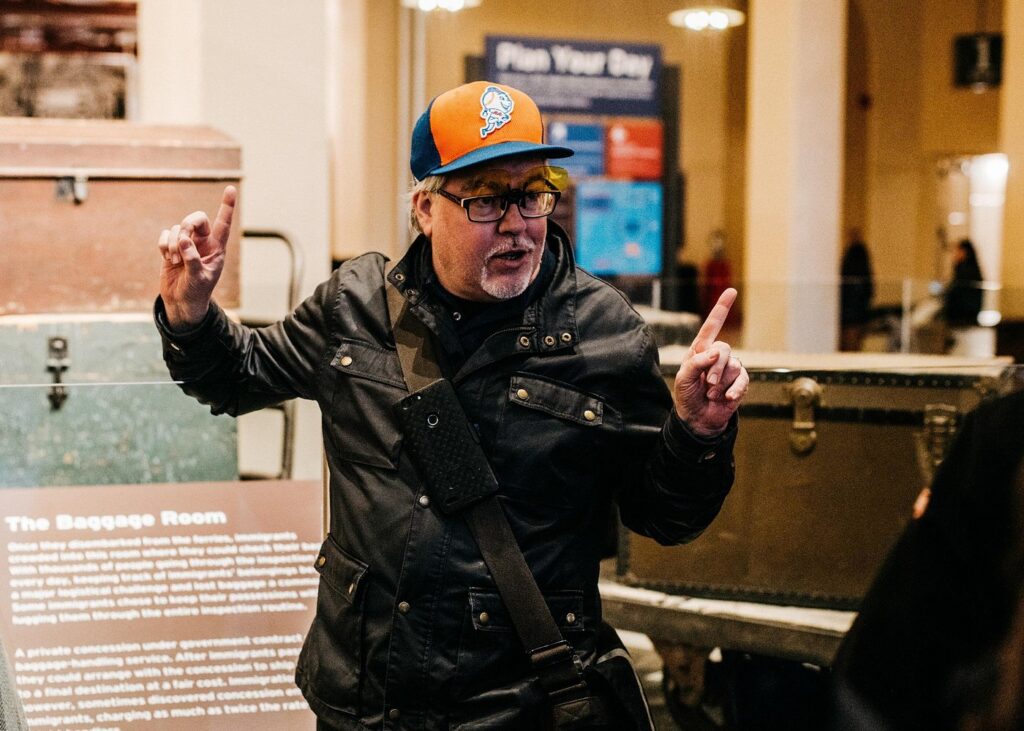
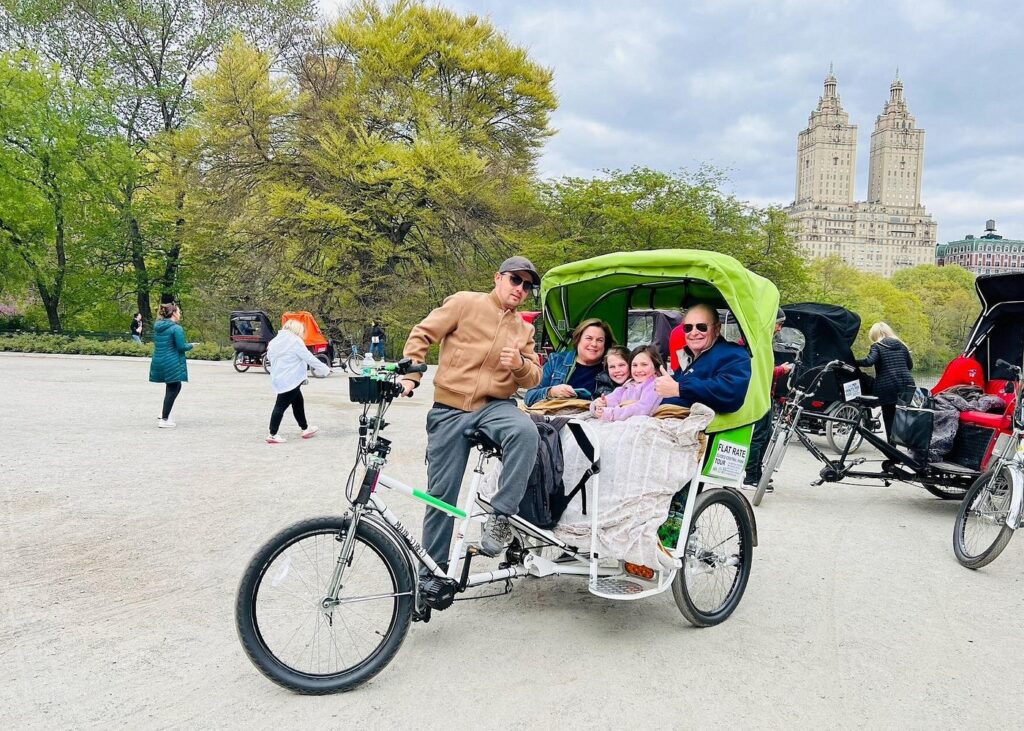
Things to do in New York City
Booked through our partners — we may earn a commission at no extra cost to you.




Big, loud, and surprisingly easy to read from the upper deck
The bowl wraps tightly around the field. There’s no running track, no extra moat between the front rows and the touchline. Fans high in the 300 level still get a clean angle on both goals. The interior architecture funnels sound. On the right night — international match, full house, late winner — the place doesn’t roar so much as compress. A wall of noise hits the field rather than dispersing into the open sky.
For the World Cup, the field has been re-engineered. The synthetic surface used for NFL play has been replaced with a natural grass pitch grown to FIFA’s specifications. The dimensions have been widened to true international standards. Coaches and players who walked the venue during the test events in 2024 noted how spacious the touchlines feel once the seating geometry is reset for football rather than American football.
- The exterior LED skin can light the building in any team’s colors, an instantly recognizable feature on television.
- The four cornerstone video towers each carry massive screens visible from every part of the bowl and from the parking lots outside.
- Premium clubs are positioned in long horizontal rows rather than a single suite level, giving the seating bowl a continuous look.
- The bowl’s open-air design means weather is part of the show. There is no roof to retreat under.
The largest media market in the United States — and the Final as global brand showcase
The simplest answer is also the truest one: this is the largest media market in the United States. Putting a World Cup Final in the New York metropolitan area places it inside the broadcast, finance, fashion and tourism capital of the country. For FIFA, the Final is as much a global brand showcase as it is a football match, and the New York/New Jersey region delivers a stage no other North American venue can quite match.The practical case stacks up too. MetLife’s capacity sits near the top of the 2026 venue list. It has the infrastructure for the kind of broadcast and security operation a World Cup Final demands. It is twenty minutes from one of the busiest international airport hubs on earth. And it has a recent history of staging high-profile international football, which always reassures organizers.The footprint of MetLife’s 2026 schedule reflects its status. Group-stage matches will introduce the venue to traveling supporters from multiple confederations. Knockout fixtures will build atmosphere. A Round of 32 match and a Round of 16 match will sharpen the stakes. Then the Final lands on July 19, with everything the football world has been chasing for a month converging on this one bowl in the Meadowlands.
If you want to be in the room when the 2026 trophy is lifted, this is the room.
Copa America finals, Super Bowls and the world’s biggest clubs
MetLife is a young building by international football standards, but it has already piled up moments that matter. The 2024 Copa America final brought Argentina, Lionel Messi, a tournament-defining injury and a tearful celebration that ricocheted across South America. International friendlies have brought Real Madrid, Barcelona, Manchester City, Juventus, Bayern Munich and the U.S. Men’s National Team through the gates. The biennial demand for European clubs to play preseason tours in New York is so high that MetLife has become one of the most reliable summer venues on either side of the Atlantic.
- Super Bowl XLVIII in 2014 — the first open-air, cold-weather Super Bowl in NFL history.
- The Giants’ regular-season home dramas and the Jets’ decade of near-misses.
- Concert nights when the entire bowl glowed in the colors of a single album cover.
- WrestleMania — with a wrestling ring in the middle of the field.
This venue has staged the biggest spectacles American sports and entertainment can throw at a single building. The 2026 Final adds the one trophy it hasn’t yet hosted.
For decades, New York’s football scene lived in the immigrant neighborhoods.
You’d find supporters of Greek, Italian, Brazilian, Mexican, West African, Caribbean and Eastern European clubs gathered in pubs and social clubs across all five boroughs and the Jersey side. The U.S. Open Cup ran through old Polish-American fields in Queens. Pickup games quietly produced national-team players. Football was always here; it just wasn’t always on TV.
That has changed dramatically. The New York metro area now hosts two top-flight MLS franchises — the New York Red Bulls, who play across the river in New Jersey, and New York City FC, which plays its home games inside Yankee Stadium and has a new dedicated stadium on the way. NWSL’s Gotham FC has become a national power and a downtown emotional fixture. International matchdays consistently fill MetLife.
Walk through Manhattan during the Champions League final, the Premier League’s London derbies, or a Brazil–Argentina World Cup qualifier and you’ll find packed pubs from Astoria to the Lower East Side to Jersey City. The city already speaks football in every language. The 2026 World Cup will simply turn the volume up.
You will not be a curiosity. You will be one more group inside a city that has been hosting passionate football diasporas longer than most American sports leagues have existed.
Plan to arrive early. Earlier than you think you need to.
-
Pre-game in the city
Many traveling fans spend the morning and early afternoon in Manhattan, Jersey City or Hoboken before heading west. Times Square fan plazas, Bryant Park screenings and supporter club takeovers will be major social anchors.
-
Transit out to the Meadowlands
NJ Transit’s Meadowlands Rail Line runs from Secaucus Junction directly to a station yards from the stadium. Trains are timed to matches. Expect the full New York transit experience: dense crowds, fast-moving lines, friendly chaos.
-
The parking lots
American tailgating culture is alive and well in the Meadowlands. Expect grills, flags, mini five-a-side games in the asphalt, and the unmistakable cross-cultural mash-up of supporters chanting in twelve different languages.
-
Entry and security
Bag policies will be strict. Clear bags are the safe default. Allow at least an hour from approaching the perimeter to reaching your seat for major fixtures.
-
Inside the bowl
The crowd is theatrical. National team flags drape every railing. Drum sections form spontaneously. Mexican waves still happen — and people still cheer them.
-
Post-match
Stay or leave fast — there is no middle option. Trains and buses surge for about 90 minutes after the final whistle. Late stayers can wait it out at the on-site concessions.
Different experiences depending on where you land
Lower bowl behind the goals
This is where supporter groups tend to gather, where chants form first, and where you’ll feel the bounce of a stadium that has decided to make noise. Expect everyone around you to be on their feet for the final twenty minutes of any tight match.
Mid-tier sideline seats
Between the 18-yard boxes. The angle gives you the geometry of the game — pressing lines, defensive shape, midfield runs.
Upper deck corner seats
You get sky, skyline silhouette on clear nights, the goal-mouth, the bench and the stadium architecture all in one frame.
Mid-bowl sideline seats
Well away from the most vocal supporter sections. Sight lines are comfortable, exit pathways are simpler, and concessions are close.
Upper bowl corners
Look for resale platforms and FIFA’s official ticketing windows leading up to kickoff for late-release inventory.
Club-level seats with covered concourses
Indoor lounges available. For the Final, expect every premium product to be in demand months in advance.
There are no bad seats at MetLife if you’re there for the occasion.
Getting here
- From Newark Liberty International Airport (EWR)
- About 20 minutes by car outside rush hour. Take a train via Newark Penn Station and Secaucus Junction for a public-transit alternative.
- From John F. Kennedy International (JFK)
- Allow at least 90 minutes door-to-door on a matchday by both car and rail.
- From LaGuardia (LGA)
- Roughly an hour by car. Public transit involves a bus and at least one transfer.
- From Manhattan
- NJ Transit trains run from Penn Station to Secaucus Junction (about 10 minutes), then a connecting Meadowlands Rail Line train direct to the stadium (about 8 minutes). Bus services from the Port Authority Bus Terminal also run on matchdays.
- Driving
- I-95, the New Jersey Turnpike and Route 3 all feed the complex. There will be no general spectator parking on stadium property on matchdays. Limited off-site parking may be available only through official pre-purchased passes.
- Rideshare
- Designated pickup zones are well organized. Expect 60- to 90-minute waits and elevated pricing after major matches.
- Walking and biking
- Not realistic from Manhattan. From local Jersey neighborhoods, walking routes exist but are not pleasant in summer heat.
- Accessibility
- MetLife has built-in step-free routes, accessible seating across every level, and dedicated drop-off points. Coordinate ADA assistance with FIFA’s accessibility services in advance.
Manhattan or the Jersey side
Manhattan (Midtown, Hell’s Kitchen, Times Square, Lower East Side)
You’ll pay more, you’ll have the deepest food and nightlife scene on the continent, and you’ll commute about an hour to the stadium on matchday. Public transit access is excellent.
Jersey City and Hoboken
Cheaper than Manhattan, closer to the Meadowlands, and underrated. The Hudson River waterfront has skyline views, lively bars, and a relaxed walking-friendly vibe. Direct PATH trains into Manhattan, simple drive or shuttle to the stadium.
Newark
Closest major city to the Meadowlands, with hotels priced well below Manhattan rates. Newark has its own football culture, a strong Portuguese-Brazilian neighborhood in the Ironbound, and quick rail access to both the airport and the stadium.
Secaucus and East Rutherford
Hotels closest to MetLife. Limited nightlife but unbeatable for late kickoffs or fans who want to walk back to their room after the match.
Brooklyn
A longer commute to the venue but possibly the best food and music scene in the metro. Many traveling supporters base themselves here for the cultural experience, accepting a longer matchday trip.
You have two basic decisions to make: Manhattan or the Jersey side.
The NYC metro has more restaurants per square mile than almost any urban region on earth
You will not run out of options. The NYC metro has more restaurants per square mile than almost any urban region on earth, and food is one of the city’s love languages.
Inside the stadium, expect a wide mix of American game-day staples — hot dogs, chicken tenders, Buffalo wings, fries — alongside more ambitious offerings during major tournaments. FIFA-affiliated venues typically expand their international food selection for the World Cup. Watch for South American, West African and Asian options in concourses.
- Pizza and bagels — Yes, do it. Yes, both. They are not overhyped.
- Italian-American classics — The boroughs and northern Jersey are where this cuisine grew up. Red-sauce restaurants in Belleville, Bloomfield and Brooklyn are legendary.
- Brazilian and Portuguese cuisine — Ironbound Newark is one of the great Lusophone food districts in North America. Picanha, bacalhau, pastel — go hungry.
- Mexican food — Sunset Park in Brooklyn, Jackson Heights in Queens and a growing scene in Passaic County all offer outstanding tacos, tortas and birria.
- South Asian cuisine — Jackson Heights in Queens and Iselin/Edison along the Jersey corridor.
- West African specialties — The Bronx and parts of northern New Jersey.
- Late-night bites — Halal carts, dollar slices, and 24-hour diners. New York City is one of the rare American cities where 2 a.m. is a normal dinner time.
Bars worth scouting
Traditional Irish-American pubs in Midtown (for early morning kickoffs), supporter-friendly soccer bars across Hell’s Kitchen, Hoboken and Williamsburg, and the rapidly growing scene of global football bars that lean into the Premier League and Champions League crowd.
Humid northeastern summer — no roof, always check the forecast
Daily highs mid-70s to low 90s Fahrenheit (24–33°C). Heat waves spiking above 95°F (35°C) happen.
Sticky. Players have flagged conditions across the Northeast as physically taxing during test events.
Pop-up thunderstorms are common in July. The stadium has no roof. Always check the forecast on matchday.
Open-bowl design means a brisk evening can carry the noise — and the chill — through the seats. Bring a light layer for night matches.
Practical fan kit for matchday in New Jersey
- One factory-sealed disposable soft plastic water bottle, up to 20 oz / 590 ml, if allowed under current FIFA venue rules.
- Light, breathable clothing
- Compact rain jacket or poncho
- Hat and high-SPF sunscreen
- Portable charger
- A scarf you don't mind sweating into — the universal World Cup accessory
Bragging rights
MetLife was the first NFL stadium built and shared by two franchises in the same metropolitan area
MetLife was the first NFL stadium to be built and shared by two franchises in the same metropolitan area.
The 2014 Super Bowl here remains the only open-air, cold-weather Super Bowl in NFL history
The Super Bowl played here in 2014 remains the only open-air, cold-weather Super Bowl in NFL history.
A youth and amateur football match traditionally takes place on the field during major event weeks
A youth and amateur football match traditionally takes place on the field during major event weeks, a small tradition that has grown into a quiet legacy program.
The site sits on historically wetland — hawks, herons and migratory waterfowl visible from the parking lots
The site sits on what was historically wetland, and the surrounding Meadowlands has slowly transitioned into a protected ecosystem with hawks, herons and migratory waterfowl visible from the parking lots.
The 2024 Copa America Final logistics operation has been revised since the match ran long for off-pitch reasons
The 2024 Copa America Final ran longer than ninety minutes for off-pitch reasons that became international news, and the stadium’s logistics operation has been revised since.
The video boards in each corner are among the largest in any American football stadium
The video boards in each corner are among the largest in any American football stadium.
Stadium lighting shifts instantly between Giants’ blue, Jets’ green and visiting national team colors
The stadium has lighting that can shift instantly between the Giants’ blue and the Jets’ green — and during international fixtures, into the colors of visiting national teams.
It’s one of the strangest, most American sensory experiences in world football.
There used to be a horse track right next to the stadium. The Meadowlands Racetrack still operates a few hundred meters away. On a quiet evening before a match, with the sun setting over the marsh and the racing program drifting in over the lot, you can stand in the MetLife parking lot and hear two completely different sporting cultures braided together. Bring it up to a New Yorker on matchday and watch them realize they’d forgotten.
More openhearted than the cliche suggests
Here’s a small secret about New York and New Jersey crowds: they’re more openhearted than the cliche suggests. Yes, they will tell you exactly what they think. Yes, they will heckle a missed chance. But on a World Cup night, when a Senegalese family in matching scarves takes the seats next to a Croatian uncle with a flag the size of a tablecloth, the bowl tends to behave like the great civic project this metro area always pretends not to be.
You’ll feel three things in particular if it’s your first time at MetLife for a major international:
1. Density. Eighty-thousand people, packed close, on a hot summer evening.
2. Layering of cultures. Half the chants you’ll hear aren’t in English. The other half are.
3. The shock of how it ends. When MetLife crowds get a winning goal in the dying minutes, the bowl rocks. Literally — engineers will tell you the structure is designed to move within tolerance. You’ll feel it through your feet.
The bowl tends to behave like the great civic project this metro area always pretends not to be.
Solar arrays, water reduction and a connectivity upgrade near the leading edge in the U.S.
MetLife has rolled out sustainability initiatives that include solar arrays on the perimeter of the complex, water-reduction systems for field maintenance, and recycling infrastructure across concourses. For the World Cup, FIFA has committed to a tournament-wide sustainability framework, including waste management, low-emission transport options and renewable-energy sourcing where possible.
On the technology side, the stadium has invested heavily in network infrastructure. Expect full mobile coverage on matchday, real-time replay clips on screens, and an app-driven concessions and seat-finding ecosystem.
Whatever happens on the night of July 19, 2026, this Final is going to outlive the moment.
New York and New Jersey have spent decades building toward an event of this size. The supporting infrastructure — transit upgrades, fan zones, hospitality investments — will reshape the region’s sports tourism profile long after the trophy is on its plane home.
For American football culture, the symbolism cuts even deeper. The 1994 World Cup is sometimes credited with planting the seeds of modern MLS, U.S. youth player development, and a broadcasting boom. The 2026 World Cup, with its eight matches at MetLife and the Final as the closing act, will likely accelerate the next chapter — more stadiums purpose-built for soccer, a deeper professional women’s league, more American players in Europe’s biggest competitions, and a generation of kids who grew up watching the world’s best on the same field where their NFL team plays in October.
Great not for what it is, but for what it represents
Some venues are great because of what they are. MetLife Stadium will be great in the summer of 2026 because of what it represents. A multinational tournament hosted across three countries. A Final played in the largest media market on the continent. A stadium that has spent fifteen years staging the loudest American sports and pop-culture moments, suddenly handing its bowl over to the world’s most-watched single sporting event. A region whose football culture grew up in the back rooms of bakeries and the basements of social clubs, finally getting to host the closing ceremony.
If you’re going, plan early, pack light, drink water, and give yourself an extra hour at every stage of matchday. If you’re watching from home, remember this: a long time from now, when somebody asks you where the 2026 World Cup ended, you’ll be able to picture it.
A bowl in the Meadowlands, lit from within, with the Manhattan skyline behind it and eighty-thousand people on their feet.
